Projects
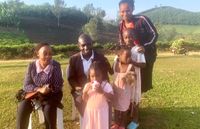
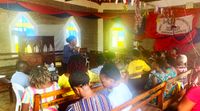
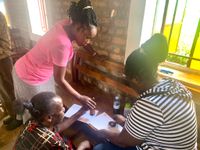
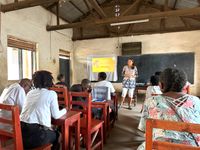
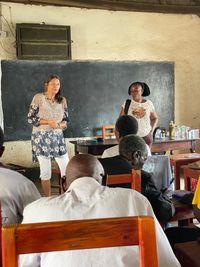
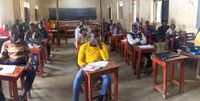
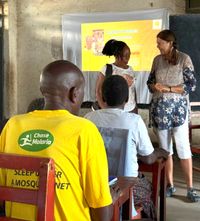
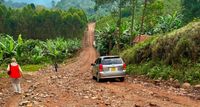
In December 2024, January 2025 and December 2025 to January 2026 as well, two-day train-the-trainer programs were held in these regions with around twenty participants, all of which were successfully completed. Even the journey to the training locations was an adventure: hours of driving on dusty, potholed roads into remote areas in the bush. We were welcomed with great warmth everywhere we went.
The power supply was a constant challenge - sometimes non-existent, often fluctuating and unreliable. But this is precisely what created a special atmosphere: organizers and participants helped each other, improvised, sought solutions together, and made the impossible possible. Andrea Ristl also learns something new with every training session – not only about culture and the subtle differences in everyday life, but also about how valuable flexibility and openness to new habits are.
What remains are memories of beaming faces, lots of laughter, genuine interest, and great joy in working together. We are often surprised with small gifts, and each time we return to our home base feeling fulfilled and richly rewarded.
The sustainability of the training sessions lives on in the WhatsApp groups, where questions are asked, experiences are shared, and new insights are passed on, while on site, knowledge continues to grow from person to person – like a quiet, powerful grassroots movement.
Completed projects
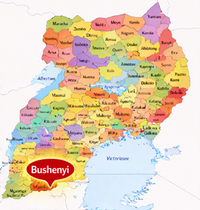
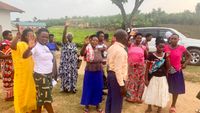
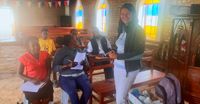
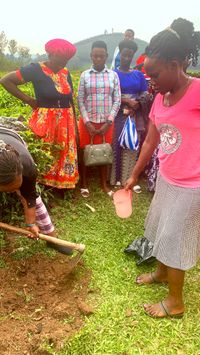
Bushenyi
Bushenyi is located in western Uganda in the Ankole region, west of Mbarara.
What makes Bushenyi special is its landscape, which combines fertile hills, forests, and waterways, providing ideal conditions for agriculture.
    |   |

Fort Portal
Fort Portal is located in western Uganda, in the Toro region, near the border with the Democratic Republic of Congo.
Fort Portal is a green, cool highland town, known for its tea plantations and proximity to national parks, and is considered one of the most livable cities in Uganda.

Gulu
Gulu is located in northern Uganda, in the Acholi region.
Gulu is the most important city in northern Uganda - today a dynamic regional center with universities, markets, and strong reconstruction after the civil war. Northern Uganda currently has the highest incidence of malaria.
  |   |
Feedback
Strengthening Community-Led Malaria Prevention in Gulu District
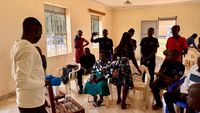
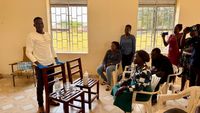
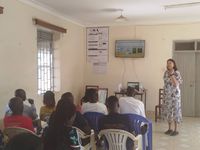
From 20th–21st January 2026, we conducted a two-day Training of Trainers (😭) at Awach Health Centre IV, bringing together 14 Village Health Teams (VHTs) from four sub-counties: Awach Central, Paibona, Pukony, and Paicho in Gulu District.
The training was facilitated by Andrea Ristl and focused on reliable, proven, and sustainable approaches to malaria prevention and treatment. Participants gained practical skills in the making and use of methylene blue, CDS, and Artemisia annua, empowering them with community-accessible solutions.
✅ What makes this training impactful:
- Practical, hands-on learning
- Evidence-based and sustainable methods
- A ripple-effect model: trained VHTs will train other VHTs in their communities, with close monitoring and follow-up to ensure quality and effectiveness
By investing in local capacity, we are strengthening frontline health responses and promoting community ownership of malaria prevention efforts.
📍 Location: Awach Health Centre IV, Gulu District
👥 Participants: 14 VHTs | 4 Sub-counties | 1 Shared mission
Monica (Country Manager GYCO): "I would also like to sincerely appreciate Andrea and Walter for this meaningful initiative in our community. Your commitment and leadership give us great hope. I am confident that together we shall transform lives and work steadily toward eradicating malaria."

Kamwenge
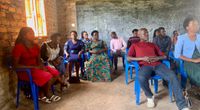
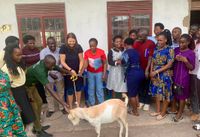
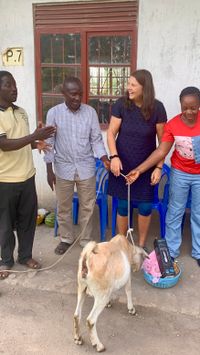
Kamwenge is located in western Uganda in the Toro region, southeast of Fort Portal and west of Kampala.
What makes Kamwenge special is its rural character with many small farms and its affiliation with the traditional Kingdom of Toro.
   |  |
Kasenyi
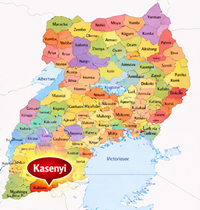
Kasenyi is located in western Uganda, on Lake George, in Queen Elizabeth National Park.
Kasenyi is a small fishing village and a well-known starting point for safaris to observe wildlife in Queen Elizabeth National Park.

Katwe
Katwe is located in western Uganda, in Queen Elizabeth National Park, directly on Lake Katwe in the Kasese District.
Katwe is a traditional salt mining village, known for artisanal salt extraction from the crater lake and its striking landscape in Queen Elizabeth National Park.

Kicwamba
Kicwamba is located in western Uganda, in the Kasese District near the Rwenzori Mountains.
Kicwamba is a rural administrative region where agriculture is the main source of livelihood, typical of the fertile foothills of the Rwenzori region.

Kinoco
Kinoko is located in western Uganda, in the Rubirizi District south of Queen Elizabeth National Park.
Kinoko is a small rural village characterized by subsistence and small-scale farming, quietly situated near one of Uganda's most important nature conservation regions.
Mgahinga
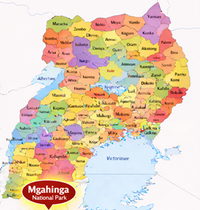
Mgahinga National Park is located in the extreme southwest of Uganda, on the border with Rwanda and the Democratic Republic of Congo.
Mgahinga is Uganda's smallest national park, famous for mountain gorillas, golden monkeys, and spectacular volcanic landscapes.

Rubirizi
Rubirizi is also located in western Uganda, south of the equator.
What makes Rubirizi special is that large parts of Queen Elizabeth National Park, with its crater lakes, savannah, and rainforest (e.g. Maramagambo Forest), are located in the district.
  |    |
